Gloria Jamison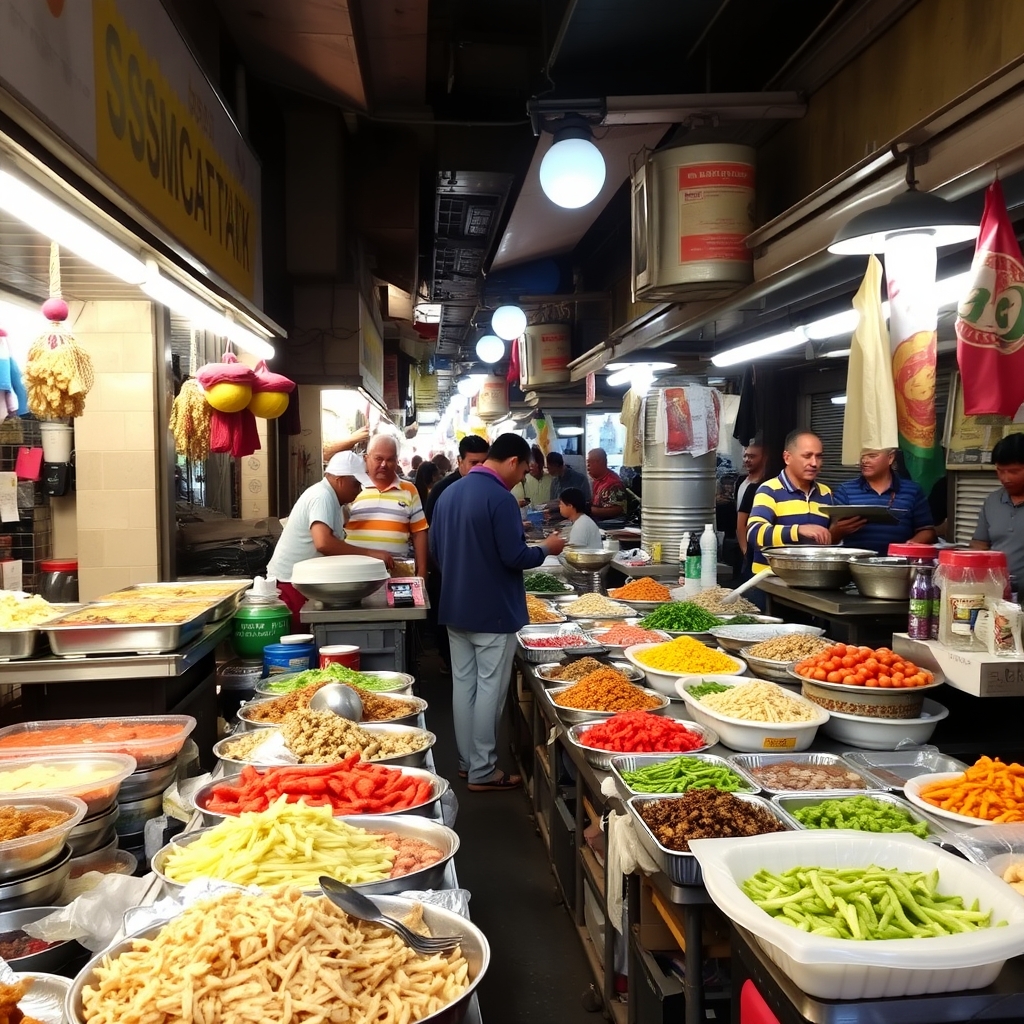
Street food has become an integral part of the culinary landscape, offering a glimpse into the culture and traditions of a region. From the spicy dishes of Asia to the rich flavors of Latin America, street food is a reflection of the local ingredients, cooking techniques, and history. In many cities, street food vendors are an essential part of the community, providing affordable and delicious meals to locals and visitors alike.
In Asia, street food is a staple of the culinary scene, with popular dishes like pad thai, dumplings, and skewers of meat. The use of fresh ingredients, bold flavors, and various cooking techniques has made Asian street food a favorite among foodies. Similarly, in Latin America, street food is known for its bold flavors, vibrant colors, and rich textures, with popular dishes like tacos, empanadas, and arepas.
Regional Specialties
In Europe, street food is often associated with traditional markets and festivals, where vendors sell local specialties like crepes, waffles, and sausages. The use of high-quality ingredients, traditional cooking methods, and creative presentation has made European street food a unique experience. In Africa, street food is a reflection of the continent's diverse cultural heritage, with popular dishes like jollof rice, suya, and injera.
The popularity of street food has also led to the creation of fusion dishes, which combine different culinary traditions to create something new and exciting. For example, the combination of Asian and Latin American flavors has resulted in the creation of dishes like Korean tacos and sushi burritos. This fusion of flavors has not only expanded the possibilities of street food but also reflected the diversity and creativity of the culinary world.
Food Safety and Regulations
Despite the popularity of street food, there are concerns about food safety and regulations. In many cities, street food vendors are required to follow strict health and safety guidelines to ensure that their food is safe for consumption. This includes proper handling and storage of ingredients, regular cleaning and sanitation of equipment, and adherence to local food safety regulations. However, in some cases, the lack of regulation and oversight can lead to food safety issues, highlighting the need for effective monitoring and enforcement.
In recent years, the rise of social media has also played a significant role in promoting street food, with many vendors using platforms like Instagram and Facebook to showcase their dishes and attract customers. This has not only helped to increase visibility and popularity but also created new opportunities for street food vendors to connect with customers and build a community around their food. As business decision making becomes more important for street food vendors, they must balance the need to innovate and adapt with the need to maintain traditional cooking methods and ingredients.
Cultural Significance
Street food is not just about the food itself, but also about the cultural significance and community that surrounds it. In many cities, street food vendors are an integral part of the local community, providing a gathering place for people to socialize and connect. The smells, sounds, and flavors of street food create a sensory experience that is unique and memorable, reflecting the history, traditions, and values of the local culture. As we explore the world of street food, we are reminded of the importance of preserving and promoting cultural heritage, and the role that food plays in bringing people together.
In conclusion, the world of street food is a vibrant and diverse reflection of the culinary traditions and cultural heritage of a region. From the spicy dishes of Asia to the rich flavors of Latin America, street food offers a unique and delicious experience that is both authentic and innovative. As we continue to explore and appreciate the world of street food, we are reminded of the importance of preserving traditional cooking methods, promoting cultural exchange, and celebrating the diversity and creativity of the culinary world. By doing so, we can ensure that street food remains a vital and thriving part of our culinary landscape, and a reflection of the rich cultural heritage that surrounds us.
Furthermore, the concept of revolutioneren een sprongetje can be applied to the world of street food, where vendors are constantly looking for new ways to innovate and improve their dishes. This can involve experimenting with new ingredients, cooking techniques, and presentation styles, as well as adapting to changing consumer preferences and trends. By embracing this spirit of innovation and creativity, street food vendors can stay ahead of the curve and continue to thrive in a rapidly changing culinary landscape.
Ultimately, the world of street food is a reflection of the power of food to bring people together and create a sense of community and belonging. Whether it's a bustling market in Asia, a vibrant festival in Latin America, or a traditional cafe in Europe, street food has the ability to transcend cultural and linguistic barriers, and create a shared experience that is both delicious and memorable. As we continue to explore and appreciate the world of street food, we are reminded of the importance of preserving and promoting cultural heritage, and the role that food plays in bringing people together and creating a sense of community and connection.