Gloria Jamison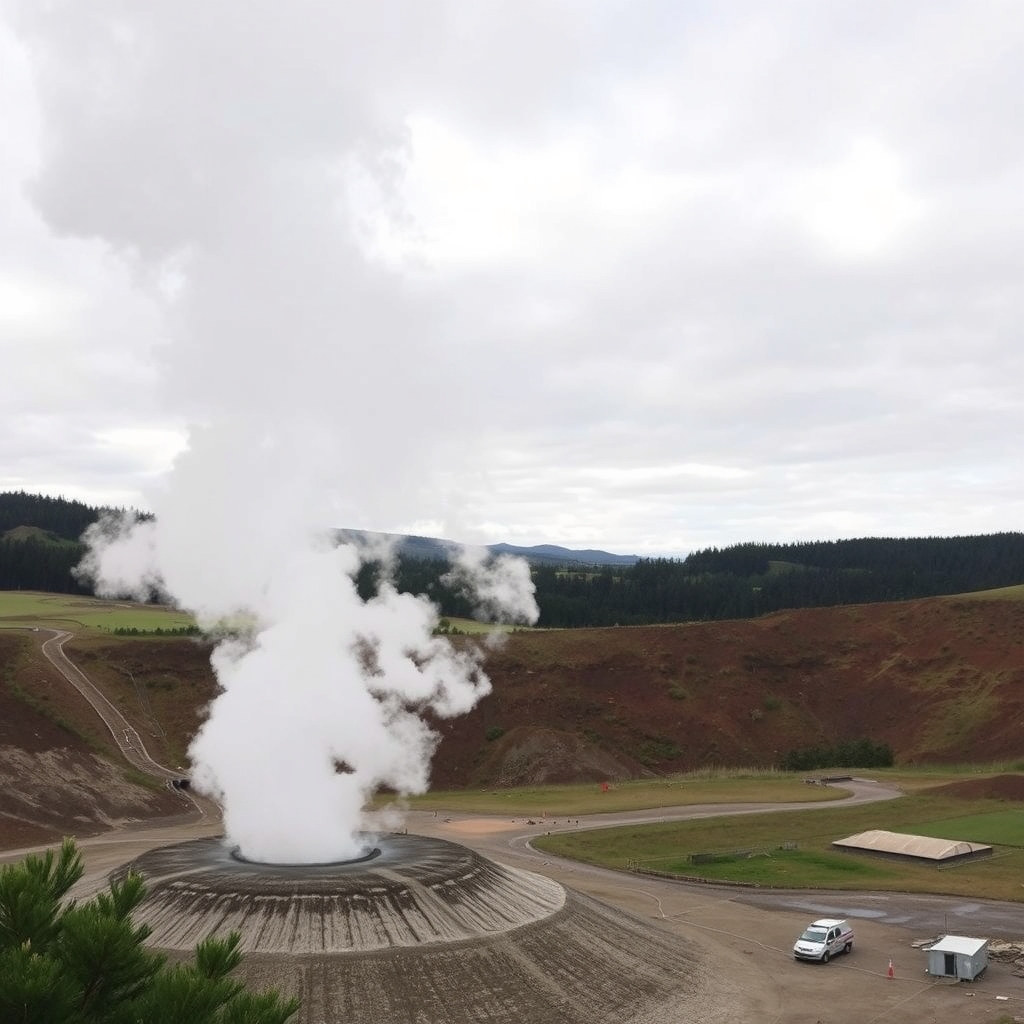
Geothermal energy, a clean and reliable source of power, has been gaining attention in recent years due to its potential to reduce greenhouse gas emissions and mitigate climate change. This form of energy harnesses the heat from the Earth's core to generate electricity, providing a constant and predictable source of power. As the world transitions towards a more sustainable energy mix, geothermal energy is exploring new frontiers and innovative technologies to increase its reach and efficiency.
The traditional method of geothermal energy production involves drilling into underground reservoirs of hot water or steam, which is then used to power a turbine and generate electricity. However, this method is limited to areas with significant volcanic activity, such as Iceland and Indonesia. To expand the reach of geothermal energy, researchers are exploring new technologies, such as enhanced geothermal systems (EGS), which involve drilling into hot rock formations and creating artificial reservoirs to extract heat.
Innovative Technologies
One of the key innovations in geothermal energy is the development of closed-loop systems, which involve circulating a fluid through underground pipes to absorb heat from the surrounding rock. This technology has the potential to unlock geothermal energy in areas with lower temperatures, making it more widely available. Additionally, advancements in drilling technologies, such as advanced casing and cementing systems, have improved the efficiency and safety of geothermal wells.
Another area of research is the integration of geothermal energy with other renewable energy sources, such as solar and wind power. This can provide a stable and reliable source of power, even when the sun is not shining or the wind is not blowing. For example, a geothermal power plant can provide baseload power, while solar panels or wind turbines can provide additional power during periods of high demand. This hybrid approach can help to reduce the intermittency of renewable energy sources and provide a more stable grid.
Global Applications
Geothermal energy has the potential to be deployed in a wide range of applications, from small-scale rural electrification to large-scale industrial power generation. In developing countries, geothermal energy can provide a reliable source of power for rural communities, improving access to electricity and promoting economic development. In industrialized countries, geothermal energy can be used to power large-scale industries, such as manufacturing and data centers.
For instance, the crypto crisis has highlighted the need for reliable and efficient energy sources for cryptocurrency mining. Geothermal energy can provide a stable and constant source of power for these operations, reducing the risk of power outages and minimizing the environmental impact. Similarly, the development of smart grids has created new opportunities for geothermal energy to be integrated into the grid, providing a flexible and responsive source of power.
Challenges and Opportunities
Despite the potential of geothermal energy, there are several challenges that need to be addressed, including the high upfront costs of drilling and exploration, as well as the risk of induced seismicity. However, these challenges also present opportunities for innovation and investment, as companies and researchers develop new technologies and strategies to overcome these hurdles. As the energy landscape continues to evolve, geothermal energy is poised to play an increasingly important role in the transition to a more sustainable and renewable energy mix.
In conclusion, geothermal energy is exploring new frontiers and innovative technologies to increase its reach and efficiency. With its potential to provide a clean and reliable source of power, geothermal energy can play a significant role in reducing greenhouse gas emissions and mitigating climate change. As the world continues to transition towards a more sustainable energy mix, geothermal energy is an important part of the solution, offering a stable and predictable source of power for generations to come.
As the world moves forward, it is likely that geothermal energy will become an increasingly important part of the energy landscape, providing a reliable and efficient source of power for a wide range of applications. With ongoing research and development, the potential of geothermal energy will continue to grow, unlocking new opportunities for sustainable energy production and reducing our reliance on fossil fuels. The future of energy is likely to be shaped by a combination of factors, including technological innovation, economic trends, and environmental concerns, and geothermal energy is well-positioned to play a key role in this transition.
Ultimately, the development of geothermal energy will depend on a combination of technological innovation, economic investment, and policy support. As the world continues to transition towards a more sustainable energy mix, it is likely that geothermal energy will become an increasingly important part of the solution, providing a clean and reliable source of power for generations to come. With its potential to reduce greenhouse gas emissions and mitigate climate change, geothermal energy is an essential part of the future of energy, and its development will be critical to achieving a more sustainable and renewable energy mix.