Gloria Jamison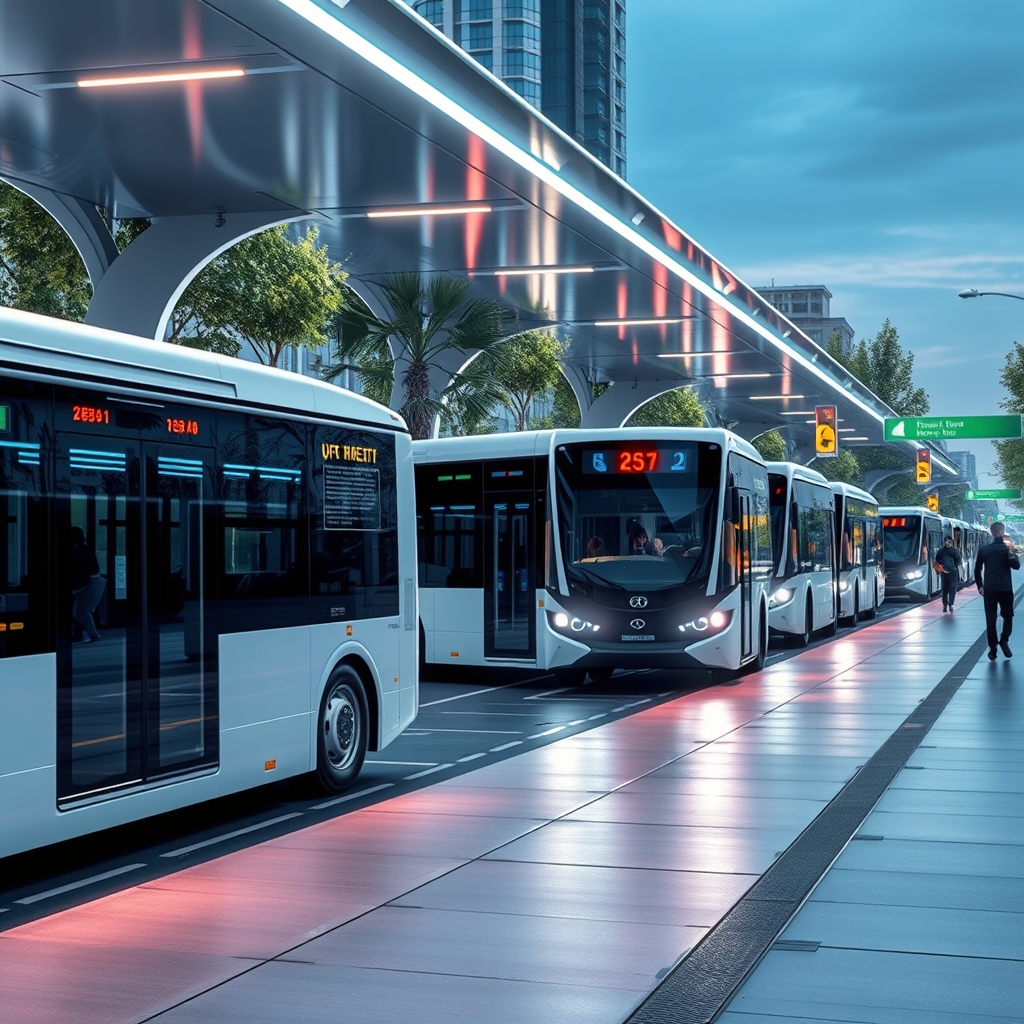
As the world continues to urbanize, public transportation systems are facing increasing pressure to provide efficient and reliable services. One potential solution to this challenge is the integration of autonomous vehicles into public transportation systems. Autonomous vehicles, also known as self-driving cars or driverless cars, use a combination of sensors, GPS, and artificial intelligence to navigate roads and traffic patterns.
The use of autonomous vehicles in public transportation systems has several potential benefits, including increased safety, reduced traffic congestion, and improved air quality. Autonomous vehicles can detect and respond to their surroundings more quickly and accurately than human drivers, reducing the risk of accidents and injuries. Additionally, autonomous vehicles can optimize traffic flow and reduce congestion, making transportation more efficient and reducing travel times.
Current State of Autonomous Vehicle Technology
Autonomous vehicle technology has advanced significantly in recent years, with many companies investing heavily in research and development. Several companies, including tech giants and automotive manufacturers, are testing autonomous vehicles on public roads and refining their technology. While there have been some setbacks and challenges, the overall trend is towards increasing sophistication and capability of autonomous vehicle systems.
One of the key challenges facing autonomous vehicle developers is the need for robust and reliable sensors and mapping systems. Autonomous vehicles rely on a combination of cameras, lidar, radar, and ultrasonic sensors to detect and respond to their surroundings. However, these sensors can be affected by weather conditions, lighting, and other environmental factors, which can impact their accuracy and reliability.
Integration with Public Transportation Systems
Despite the challenges, many cities and transportation agencies are exploring the potential of autonomous vehicles to enhance public transportation systems. Autonomous buses and shuttles, for example, could provide efficient and reliable transportation services in urban areas, reducing congestion and emissions. Autonomous vehicles could also be used to provide feeder services, connecting passengers to main transportation hubs and reducing the need for personal vehicles.
In addition to buses and shuttles, autonomous vehicles could also be used to provide other types of transportation services, such as taxi and ride-hailing services. Autonomous taxis could provide safe and efficient transportation services, reducing the risk of accidents and improving air quality. They could also provide transportation services for people with disabilities, improving mobility and accessibility.
Challenges and Limitations
While the potential benefits of autonomous vehicles in public transportation systems are significant, there are also several challenges and limitations that need to be addressed. One of the key challenges is the need for comprehensive regulations and standards, which can vary significantly from country to country and even from city to city. Additionally, there are concerns about cybersecurity and the potential for autonomous vehicles to be hacked or compromised.
Another challenge is the need for significant investment in infrastructure, including dedicated lanes and communication systems. Autonomous vehicles require a high degree of connectivity and communication with other vehicles and infrastructure, which can be a significant challenge in areas with limited or unreliable connectivity. Furthermore, the development of autonomous vehicle technology is closely tied to the development of big moves revenue and autonomous vehicle safety, which are critical to the success of these systems.
In conclusion, the integration of autonomous vehicles into public transportation systems has the potential to transform the way we travel and interact with our surroundings. While there are several challenges and limitations that need to be addressed, the potential benefits of increased safety, reduced traffic congestion, and improved air quality make autonomous vehicles an exciting and promising area of development.
As cities and transportation agencies continue to explore the potential of autonomous vehicles, it is likely that we will see significant advancements in the coming years. With the development of more sophisticated and reliable autonomous vehicle systems, we can expect to see increased adoption and integration into public transportation systems, leading to improved mobility, accessibility, and sustainability for all.
The future of autonomous vehicles in public transportation systems is exciting and full of possibilities. As we continue to invest in research and development, we can expect to see significant improvements in safety, efficiency, and sustainability. Whether it's through the development of autonomous buses, shuttles, or taxis, the potential for autonomous vehicles to transform public transportation systems is vast and promising.
Future Directions
As autonomous vehicle technology continues to advance, we can expect to see increased focus on the development of comprehensive regulations and standards. This will be critical to ensuring the safe and reliable operation of autonomous vehicles in public transportation systems. Additionally, there will be a need for significant investment in infrastructure, including dedicated lanes and communication systems.
In the coming years, we can expect to see increased adoption and integration of autonomous vehicles into public transportation systems. This will be driven by the need for more efficient, sustainable, and safe transportation services, as well as the potential for autonomous vehicles to provide new and innovative transportation solutions. Whether it's through the development of autonomous vehicle-based services or the integration of autonomous vehicles into existing transportation systems, the future of autonomous vehicles in public transportation is exciting and full of possibilities.
Ultimately, the success of autonomous vehicles in public transportation systems will depend on the ability of cities and transportation agencies to invest in the necessary infrastructure and regulations. With the development of more sophisticated and reliable autonomous vehicle systems, we can expect to see significant improvements in safety, efficiency, and sustainability, leading to a brighter and more sustainable future for all.