Gloria Jamison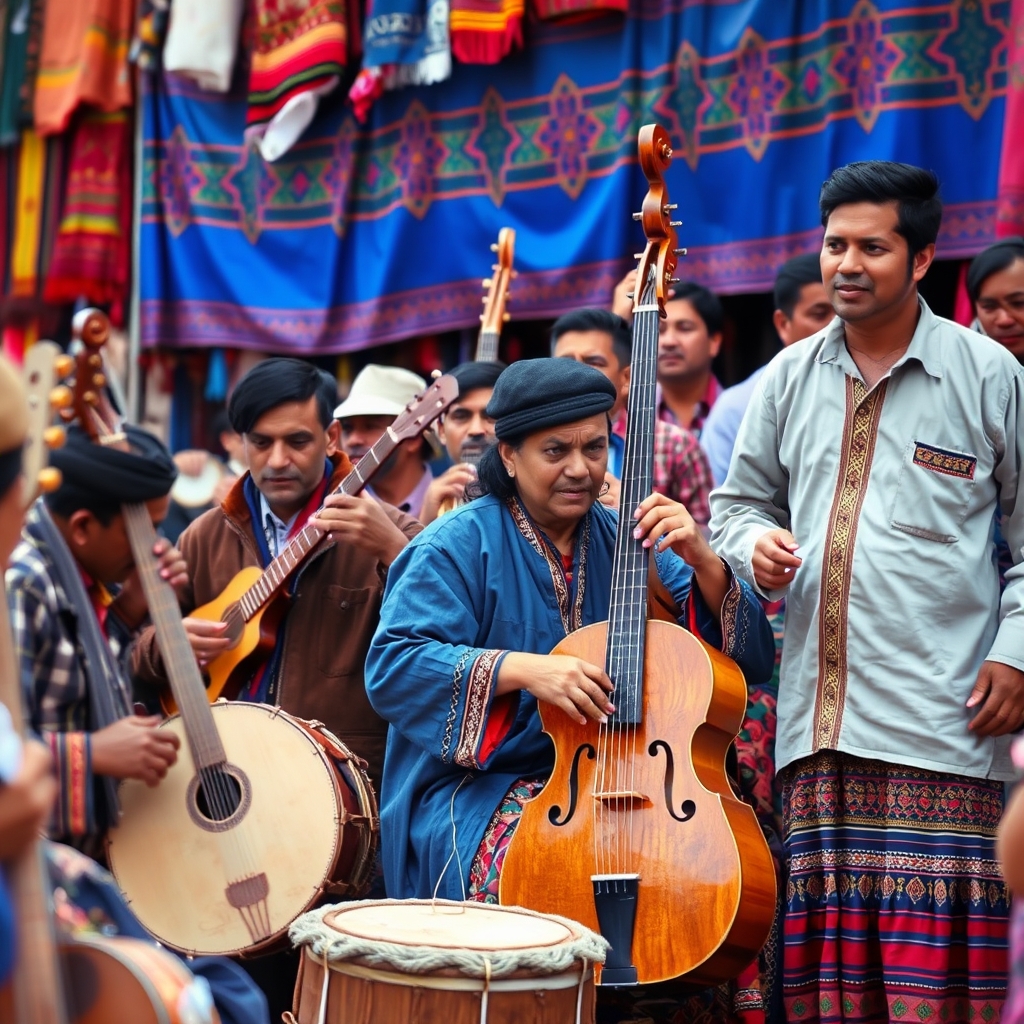
Traditional music is an integral part of cultural heritage, playing a significant role in shaping the identity of communities around the world. It is a reflection of the history, values, and beliefs of a society, passed down through generations. The significance of traditional music lies in its ability to evoke emotions, create a sense of belonging, and provide a connection to one's roots.
The diversity of traditional music is staggering, with each culture having its unique sound, instruments, and style. From the soulful melodies of African music to the intricate rhythms of Asian music, each genre has its distinct characteristics. The preservation of traditional music is crucial, as it provides a window into the past, allowing us to understand the evolution of a culture.
Role Of Traditional Music In Cultural Identity
Traditional music plays a vital role in shaping the cultural identity of a community. It is often used in ceremonies, rituals, and celebrations, providing a sense of continuity and tradition. The music is also used to tell stories, pass down history, and convey moral values. In many cultures, traditional music is an essential part of the education system, teaching children about their heritage and cultural values.
In addition to its cultural significance, traditional music also has a profound impact on the social fabric of a community. It brings people together, creating a sense of unity and cooperation. The music is often performed in public spaces, such as markets, festivals, and community gatherings, providing a platform for social interaction and cultural exchange.
Impact Of Globalization On Traditional Music
The increasing globalization of music has had a significant impact on traditional music. While it has provided a platform for traditional musicians to reach a wider audience, it has also led to the homogenization of music styles. Many traditional musicians are now incorporating modern instruments and styles into their music, creating a unique fusion of traditional and contemporary sounds.
However, this fusion of styles has also raised concerns about the preservation of traditional music. As traditional music becomes more commercialized, there is a risk that its cultural significance and authenticity may be lost. It is essential to strike a balance between preserving traditional music and allowing it to evolve and adapt to changing times.
Efforts To Preserve Traditional Music
Efforts are being made to preserve traditional music, including the documentation of music styles, instruments, and performances. Many organizations and communities are working to promote traditional music, providing training and support to young musicians. The use of technology, such as digital recording and online platforms, has also made it possible to preserve and disseminate traditional music to a wider audience.
In the context of hospitality, traditional music can play a significant role in creating a unique and authentic experience for visitors. For example, a discover ventive hospitality approach can incorporate traditional music into the design and programming of cultural events and festivals. This can help to create a sense of place and cultural identity, enhancing the overall experience for visitors.
Conclusion
In conclusion, traditional music is a vital part of cultural heritage, providing a connection to the past, present, and future. Its significance lies in its ability to evoke emotions, create a sense of belonging, and provide a window into the cultural identity of a community. As we move forward in an increasingly globalized world, it is essential to preserve and promote traditional music, ensuring its cultural significance and authenticity are maintained for future generations.