Gloria Jamison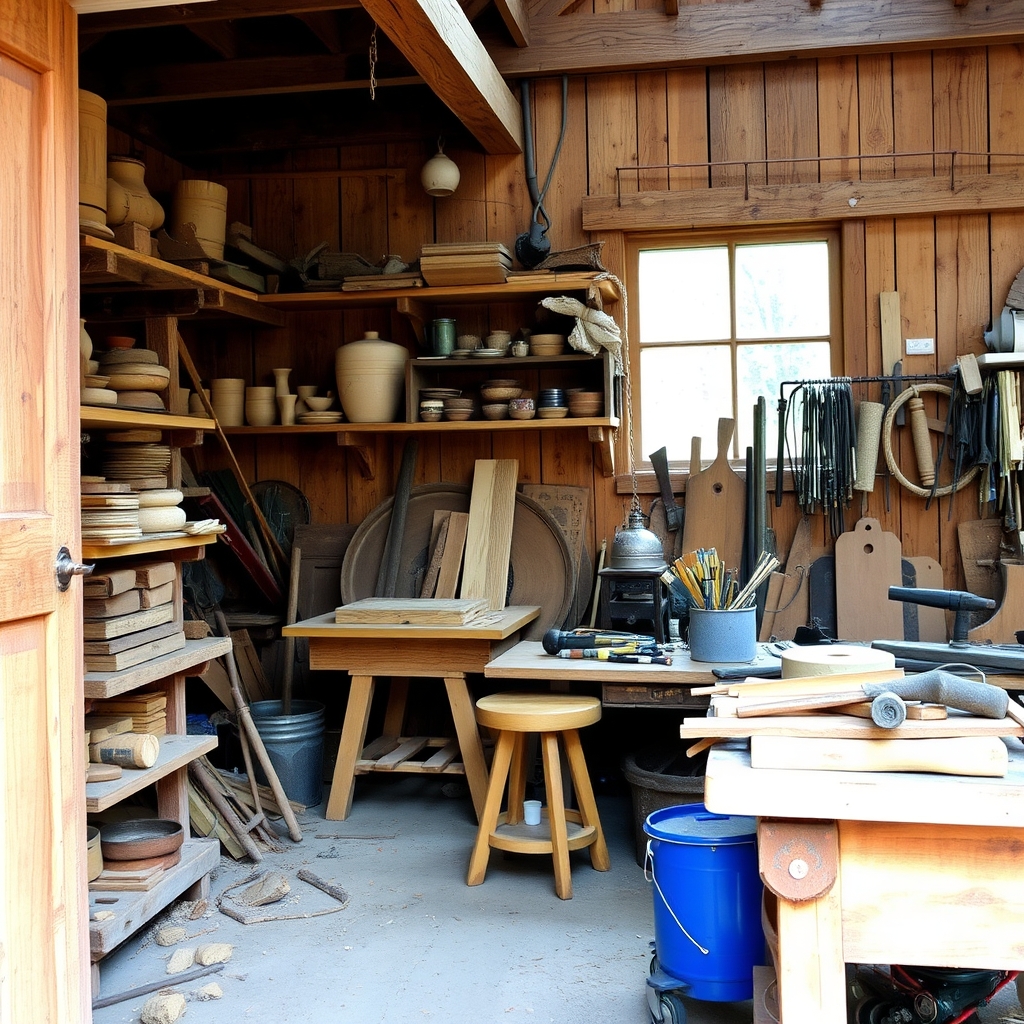
Traditional crafts have been an integral part of human culture for centuries, providing a means of creative expression and a way to preserve cultural heritage. These crafts, which include activities such as woodworking, weaving, and pottery, have been passed down from generation to generation, with each craftsperson adding their own unique twist and style. In recent years, there has been a resurgence of interest in traditional crafts, as people seek to reconnect with their cultural roots and learn new skills.
One of the primary reasons for the importance of traditional crafts is their ability to preserve cultural heritage. By learning and practicing these crafts, individuals can gain a deeper understanding of their cultural history and the significance of certain traditions and customs. Additionally, traditional crafts provide a means of cultural exchange, allowing people from different backgrounds to share their skills and knowledge with one another.
The Significance of Traditional Crafts
Traditional crafts are significant not only for their cultural importance but also for their economic and social benefits. Many traditional crafts provide a source of income for craftspersons, particularly in rural areas where other employment opportunities may be limited. Furthermore, traditional crafts can help to promote social cohesion, as people come together to learn and practice these activities.
In addition to their economic and social benefits, traditional crafts also play a crucial role in preserving cultural identity. By preserving traditional crafts, communities can maintain their unique cultural characteristics and distinguish themselves from other cultures. This is particularly important in today's globalized world, where cultural homogenization is a growing concern.
Preserving Traditional Crafts
Despite their importance, traditional crafts are facing numerous challenges in the modern era. The rise of mass-produced goods and the decline of traditional industries have led to a decline in the number of craftspersons and the availability of traditional crafts. To address this issue, many organizations and individuals are working to preserve traditional crafts, through initiatives such as craft workshops, apprenticeships, and cultural festivals.
These initiatives provide a means of promoting traditional crafts and ensuring their continued practice and transmission to future generations. Additionally, they help to raise awareness about the importance of traditional crafts and the need to preserve cultural heritage. By supporting these initiatives, individuals can play a role in preserving traditional crafts and promoting cultural diversity.
The Role of Technology in Preserving Traditional Crafts
While traditional crafts are often associated with manual skills and techniques, technology can also play a role in their preservation. Digital platforms and social media can provide a means of promoting traditional crafts and connecting craftspersons with potential customers and apprentices. Additionally, technology can be used to document and preserve traditional crafts, through initiatives such as online archives and digital museums.
However, it is also important to recognize the potential risks of technology, particularly in terms of cultural homogenization and the loss of traditional skills. As technology becomes increasingly prevalent, there is a risk that traditional crafts will be replaced by machine-made goods, leading to a loss of cultural diversity and heritage. To mitigate this risk, it is essential to ensure that technology is used in a way that supports and enhances traditional crafts, rather than replacing them.
In conclusion, traditional crafts play a vital role in preserving cultural heritage and promoting cultural diversity. By preserving these crafts, we can ensure the continued transmission of cultural knowledge and skills to future generations. While there are challenges to be addressed, particularly in terms of the impact of technology, there are also many opportunities for promoting and preserving traditional crafts, through initiatives such as craft workshops, apprenticeships, and cultural festivals.
Ultimately, the preservation of traditional crafts requires a collective effort, involving individuals, organizations, and governments. By working together, we can ensure the continued practice and transmission of traditional crafts, and promote a deeper understanding and appreciation of cultural heritage. This, in turn, can help to promote social cohesion, economic development, and cultural diversity, all of which are essential for building a vibrant and sustainable society.
As we move forward in an increasingly globalized world, it is essential that we prioritize the preservation of traditional crafts and cultural heritage. By doing so, we can ensure that future generations have access to the knowledge, skills, and cultural practices that have been passed down to us, and that we can continue to learn from and appreciate the cultural diversity that surrounds us.