Gloria Jamison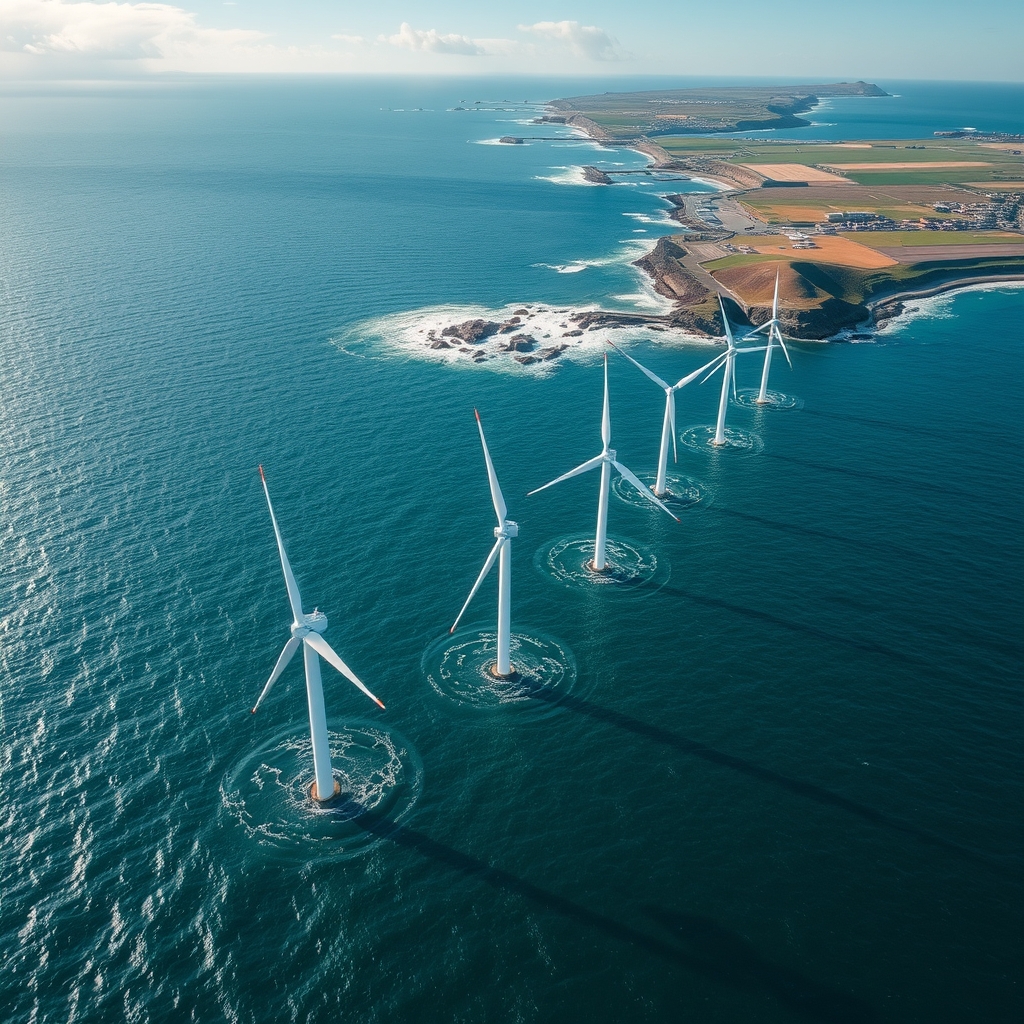
Tidal power generation is an emerging form of renewable energy that harnesses the power of ocean tides to generate electricity. This technology has the potential to provide sustainable power to coastal communities worldwide. Tidal power plants use specialized turbines to capture the kinetic energy of tidal currents, which are then converted into electrical energy.
The advantages of tidal power generation include its predictability and reliability, as tidal patterns are well understood and can be accurately forecasted. This makes it an attractive option for communities that require a stable and constant supply of energy. Additionally, tidal power generation has a lower visual impact compared to other forms of renewable energy, such as wind farms or solar panels.
How Tidal Power Generation Works
Tidal power generation involves the use of underwater turbines that are designed to capture the kinetic energy of tidal currents. These turbines are typically installed in coastal areas with high tidal ranges, such as estuaries or bays. As the tide comes in or goes out, the turbines rotate, generating electricity that is then transmitted to the power grid.
The technology used in tidal power generation is similar to that used in wind farms, but with some key differences. Tidal turbines are designed to withstand the harsh marine environment and are typically more robust than wind turbines. They are also designed to operate in both directions, capturing energy from both the incoming and outgoing tides.
Benefits of Tidal Power Generation
Tidal power generation has several benefits that make it an attractive option for coastal communities. One of the main advantages is its ability to provide a reliable and constant supply of energy, which is essential for communities that rely on a stable power supply. Tidal power generation also has a lower environmental impact compared to traditional forms of energy generation, such as fossil fuels or nuclear power.
In addition to its environmental benefits, tidal power generation can also provide economic benefits to coastal communities. The installation and maintenance of tidal power plants can create jobs and stimulate local economies. Furthermore, tidal power generation can also help to reduce energy costs for coastal communities, which can be a significant burden for many households and businesses.
Challenges and Limitations
Despite its many benefits, tidal power generation also faces several challenges and limitations. One of the main challenges is the high upfront cost of installing tidal power plants, which can be prohibitively expensive for many communities. Additionally, tidal power generation is not suitable for all coastal areas, as it requires a specific set of conditions, such as high tidal ranges and suitable seabed geology.
Another challenge facing tidal power generation is the potential environmental impact of the technology. While tidal power generation is considered a relatively low-impact form of energy generation, it can still have negative effects on marine ecosystems. For example, the installation of tidal turbines can disrupt marine habitats and affect the migration patterns of marine species.
As analysts still consider the potential of tidal power generation, it is clear that this technology has a significant role to play in the transition to a more sustainable energy future. With its reliability, predictability, and lower environmental impact, tidal power generation is an attractive option for coastal communities worldwide. While there are still challenges and limitations to be addressed, the benefits of tidal power generation make it an exciting and promising area of development in the field of renewable energy.
In conclusion, tidal power generation is a promising technology that has the potential to provide sustainable power to coastal communities worldwide. With its many benefits and relatively low environmental impact, it is an attractive option for communities that require a reliable and constant supply of energy. As the world continues to transition to a more sustainable energy future, tidal power generation is likely to play an increasingly important role in the mix of renewable energy technologies.
As the tech stock tumbled in recent years, investors have been looking for new opportunities in the renewable energy sector. Tidal power generation is one such opportunity, with its potential for growth and development in the coming years. With the right investment and support, tidal power generation could become a major player in the global energy market, providing sustainable power to communities worldwide and helping to reduce our reliance on fossil fuels.