Gloria Jamison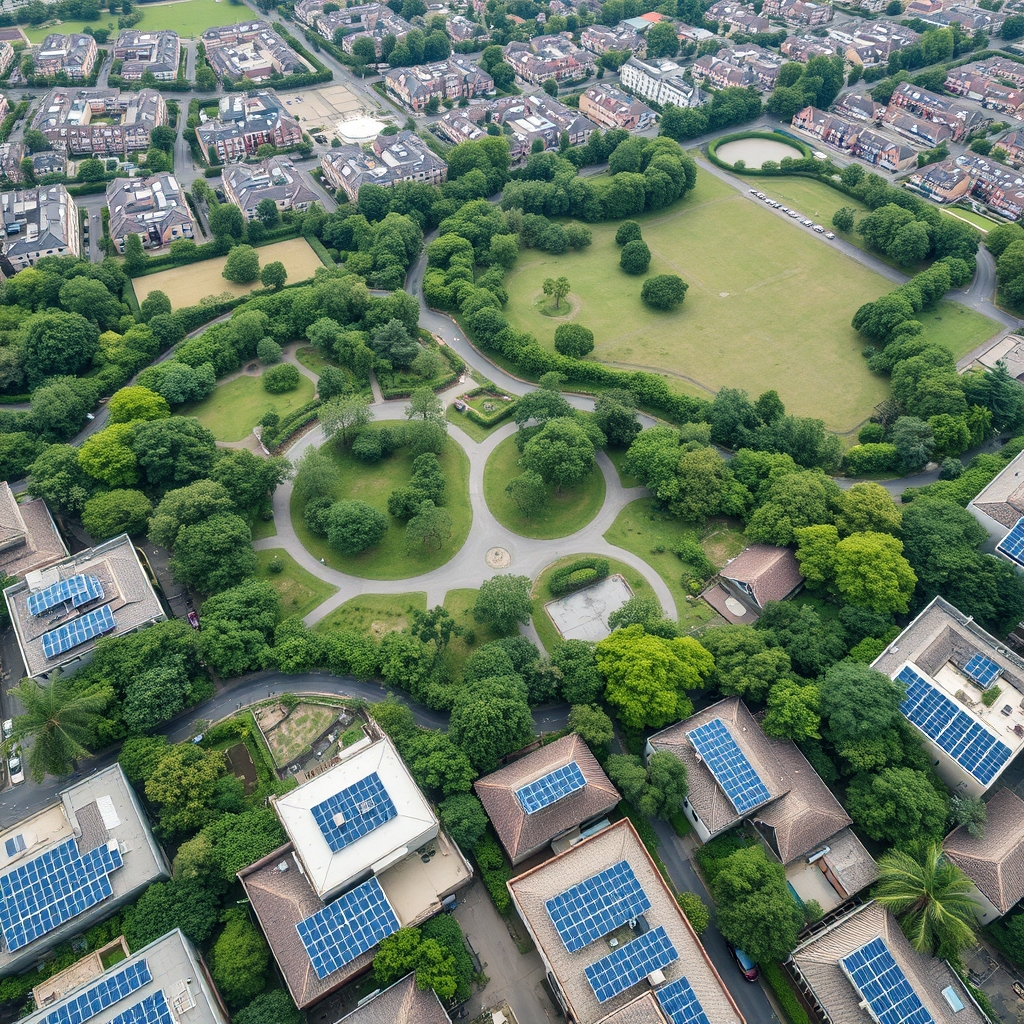
Sustainable urban planning has become a priority for many European cities in recent years. As the world grapples with the challenges of climate change, urbanization, and environmental degradation, cities are looking for ways to reduce their environmental impact while improving the quality of life for their citizens. One approach that has gained popularity is the integration of green spaces and sustainable infrastructure into urban planning.
Green spaces, such as parks and gardens, play a crucial role in mitigating the urban heat island effect, reducing air pollution, and providing habitats for urban wildlife. Many European cities are incorporating green roofs and walls into their building designs, which not only provide insulation and reduce energy consumption but also create habitats for plants and animals. Additionally, green spaces can help to manage stormwater runoff, reducing the burden on urban drainage systems and minimizing the risk of flooding.
Sustainable Transportation Systems
Another key aspect of sustainable urban planning is the development of sustainable transportation systems. Many European cities are investing in public transportation, such as buses, trams, and trains, which provide an efficient and environmentally friendly alternative to private car ownership. Cities are also promoting cycling and walking by creating dedicated bike lanes and pedestrianized zones, making it safer and more convenient for citizens to get around without cars.
Cities are also exploring new technologies, such as electric and self-driving vehicles, to reduce emissions and improve traffic flow. For example, some cities are introducing electric bus fleets, while others are testing autonomous vehicles in controlled environments. These innovations have the potential to transform the way people move around cities, reducing congestion, pollution, and accidents.
Energy-Efficient Buildings
Energy-efficient buildings are another critical component of sustainable urban planning. Many European cities are adopting building codes and standards that promote energy efficiency, such as passive house designs, which minimize heat loss and energy consumption. Cities are also incentivizing the use of renewable energy sources, such as solar and wind power, to reduce dependence on fossil fuels and lower greenhouse gas emissions.
Buildings can also be designed to incorporate sustainable materials and systems, such as green roofs, rainwater harvesting, and greywater reuse. These features not only reduce the environmental impact of buildings but also provide economic benefits, such as lower energy bills and reduced maintenance costs. Additionally, sustainable buildings can improve indoor air quality, occupant health, and productivity, making them more attractive to residents, workers, and businesses.
Waste Management and Recycling
Effective waste management and recycling are essential components of sustainable urban planning. Many European cities are implementing waste reduction and recycling programs, which aim to minimize waste sent to landfills and maximize the recovery of valuable materials. Cities are also promoting composting and anaerobic digestion, which convert organic waste into nutrient-rich soil and energy.
Cities are also exploring new technologies, such as waste-to-energy plants, which convert non-recyclable waste into heat and electricity. These facilities can provide a reliable source of renewable energy, reducing dependence on fossil fuels and lowering greenhouse gas emissions. Additionally, cities are promoting sharing economies and product-as-a-service models, which encourage the sharing and reuse of products, reducing waste and the demand for new resources.
In conclusion, sustainable urban planning is a critical component of creating livable, resilient, and environmentally sustainable cities. By incorporating green spaces, sustainable transportation systems, energy-efficient buildings, and effective waste management and recycling, European cities can reduce their environmental impact while improving the quality of life for their citizens. As the world continues to urbanize, it is essential that cities prioritize sustainability and adopt innovative solutions to meet the challenges of the 21st century.
By learning from the experiences of European cities, other cities around the world can develop their own sustainable urban planning strategies, tailored to their unique contexts and challenges. This can involve adopting best practices, such as green infrastructure, sustainable transportation, and energy-efficient buildings, and adapting them to local conditions. By working together and sharing knowledge, cities can create a more sustainable, equitable, and resilient future for all.
Ultimately, sustainable urban planning requires a collaborative effort from governments, businesses, civil society, and individuals. By working together, cities can create a better future for their citizens, one that is characterized by environmental sustainability, social equity, and economic prosperity. As the world continues to evolve, it is essential that cities prioritize sustainability and adopt innovative solutions to meet the challenges of the 21st century.
Sustainable urban planning is an ongoing process that requires continuous monitoring, evaluation, and improvement. Cities must be willing to experiment, take risks, and learn from their mistakes in order to create a more sustainable future. By embracing this approach, cities can create a better world for themselves and for future generations.