Gloria Jamison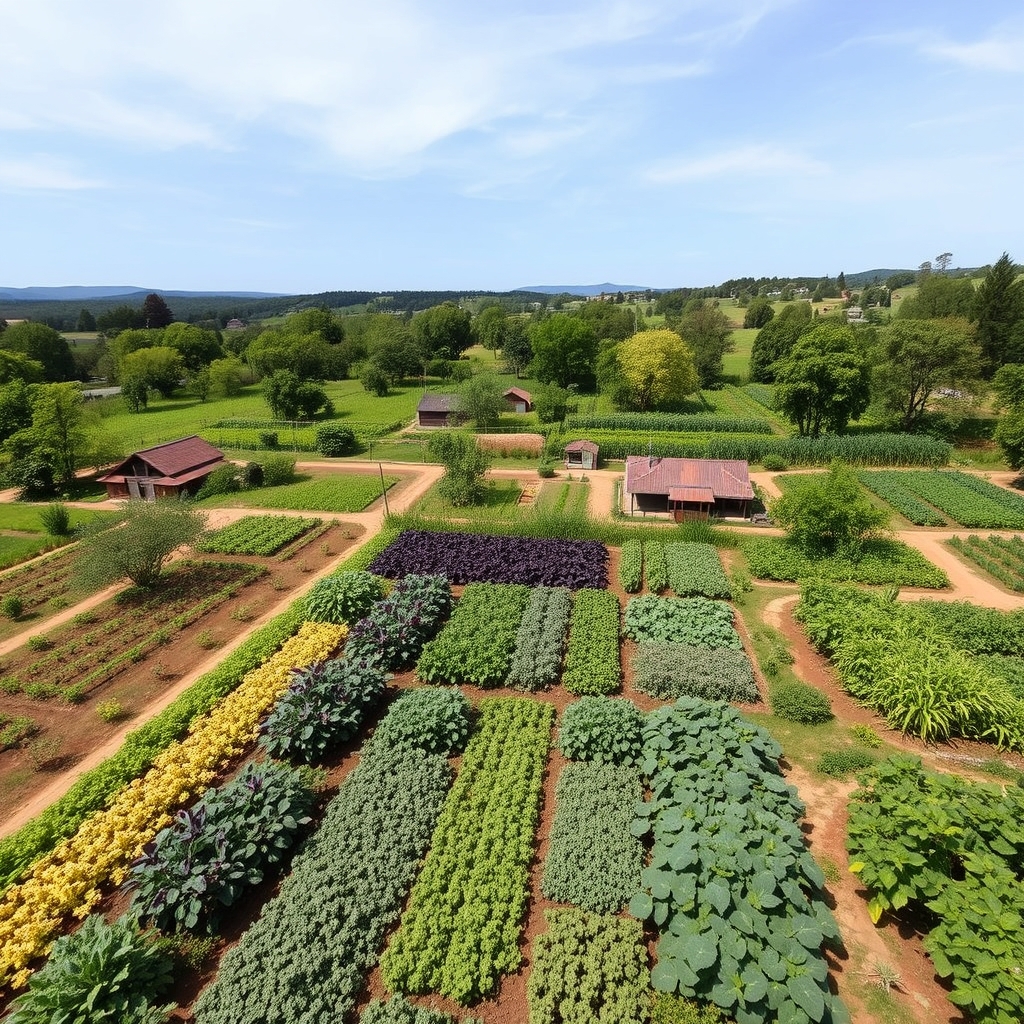
The world's population is projected to continue growing, putting a strain on global food systems. To ensure food security, it's essential to rethink the way we produce, distribute, and consume food. Sustainable food systems are crucial for maintaining the health of both people and the planet.
Current food systems are often criticized for their environmental impact, including deforestation, water pollution, and greenhouse gas emissions. Furthermore, the prevalence of monoculture farming and reliance on non-renewable resources can lead to soil degradation and loss of biodiversity. A shift towards sustainable practices is necessary to mitigate these effects.
Sustainability In Agriculture
Sustainable agriculture involves using practices that prioritize soil health, efficient water use, and biodiversity conservation. This can include techniques such as crop rotation, organic farming, and agroforestry. By adopting these methods, farmers can reduce their environmental footprint while maintaining or even increasing crop yields.
In addition to environmental benefits, sustainable agriculture can also have positive social impacts. For example, supporting local and small-scale farmers can help promote rural development and preserve traditional farming practices. Moreover, sustainable food systems can contribute to improved public health by providing access to fresh, nutritious produce.
The Role Of Technology In Sustainable Food Systems
Technology can play a significant role in promoting sustainable food systems. Innovations such as precision agriculture, vertical farming, and alternative protein sources can help increase food production while minimizing waste and environmental degradation. Moreover, digital platforms and online marketplaces can connect consumers with local farmers, promoting transparency and accountability in the food supply chain.
However, the adoption of technology in sustainable food systems must be carefully considered to ensure that it benefits both people and the planet. For instance, the use of automation and artificial intelligence in farming can lead to job displacement and exacerbate existing social inequalities. A balanced approach that prioritizes human well-being and environmental sustainability is essential.
Policy And Governance For Sustainable Food Systems
Effective policy and governance are crucial for supporting the transition to sustainable food systems. Governments and international organizations can play a key role in promoting sustainable agriculture practices, investing in agricultural research and development, and implementing policies that support local food systems.
Moreover, policy makers must address the complex issues surrounding food waste, loss, and recovery. An estimated one-third of all food produced globally is lost or wasted, which not only represents a significant economic loss but also contributes to environmental degradation and food insecurity. Implementing policies and initiatives that reduce food waste and promote recovery can help ensure that everyone has access to nutritious food.
Conclusion And Future Directions
In conclusion, rethinking global food systems for sustainability is essential for ensuring food security, promoting environmental sustainability, and supporting human well-being. By adopting sustainable agriculture practices, leveraging technology, and implementing effective policy and governance, we can create a more just and resilient food system for all.
As the world continues to evolve and face new challenges, it's crucial that we prioritize sustainability and equity in our food systems. This requires a collective effort from individuals, communities, organizations, and governments to work towards a common goal: a world where everyone has access to nutritious, sustainable, and culturally appropriate food.
Ultimately, the future of food systems will depend on our ability to balance human needs with environmental sustainability. By making conscious choices about the food we produce, distribute, and consume, we can help create a more sustainable and equitable food system for generations to come.
The path forward will require continued innovation, collaboration, and commitment to sustainability. As we move forward, it's essential that we prioritize transparency, accountability, and social justice in our food systems, ensuring that the benefits of sustainability are shared by all.