Gloria Jamison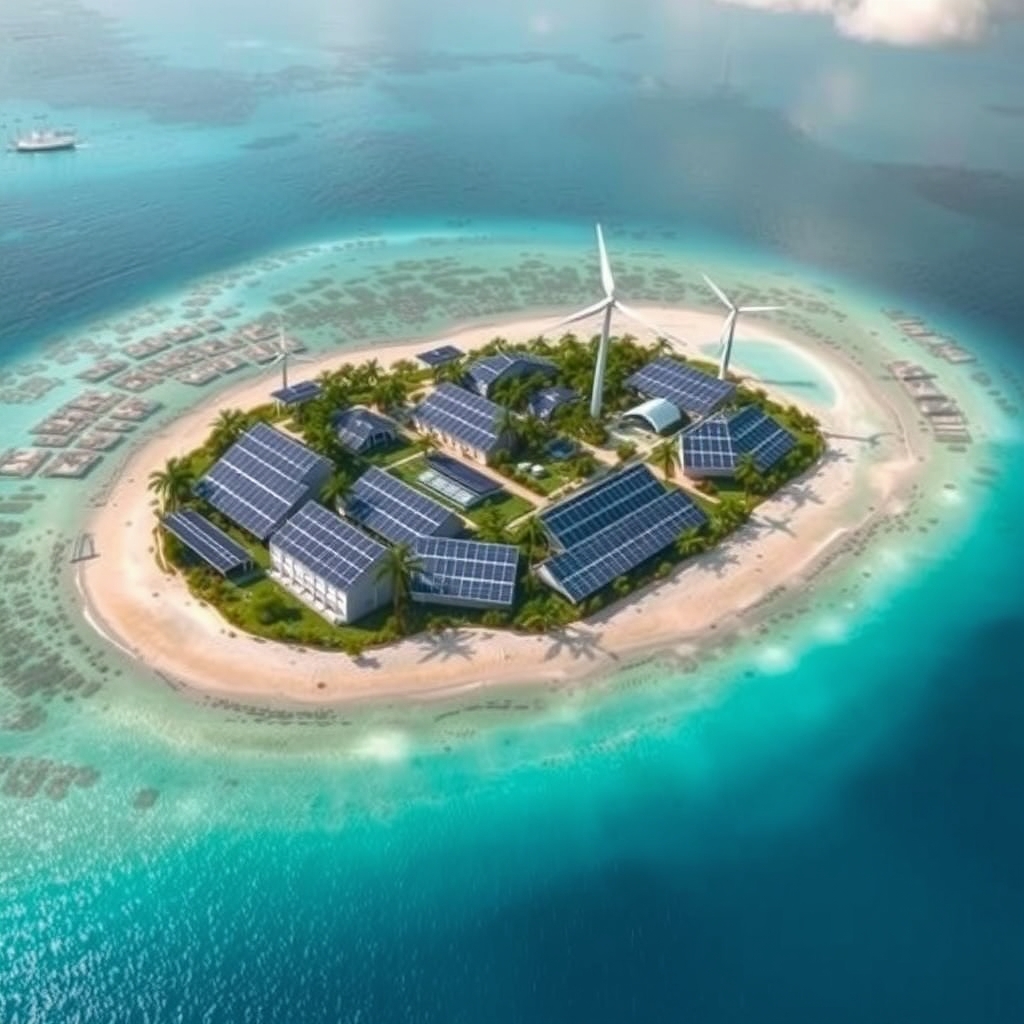
Rural and island communities face unique challenges in accessing reliable and affordable energy. Many of these communities rely heavily on fossil fuels, which can be expensive and environmentally damaging. However, renewable energy solutions can provide a cleaner and more sustainable alternative. For example, solar power and wind energy can be used to generate electricity, reducing dependence on fossil fuels and lowering energy costs.
One of the main advantages of renewable energy is its ability to provide energy independence. Island communities can generate their own energy, reducing their reliance on external sources. This can also help to improve energy security, as communities are less vulnerable to price fluctuations and supply disruptions. Additionally, renewable energy can create jobs and stimulate local economies, contributing to a more sustainable and equitable development.
Renewable Energy Technologies
There are several renewable energy technologies that can be used to power island communities. Solar power is one of the most popular options, as it is abundant and can be generated locally. Wind energy is another option, which can be used to generate electricity and power homes and businesses. Hydrokinetic energy, which harnesses the power of ocean currents and tides, is also being explored as a potential source of renewable energy.
Geothermal energy is another option for island communities, particularly those located near volcanic regions. This type of energy harnesses the heat from the earth to generate electricity, providing a reliable and constant source of power. Bioenergy, which is generated from organic matter such as plants and waste, can also be used to power island communities.
Benefits Of Renewable Energy
The benefits of renewable energy for island communities are numerous. Not only can it provide energy independence and improve energy security, but it can also help to reduce greenhouse gas emissions and mitigate the impacts of climate change. Renewable energy can also help to preserve natural resources, such as water and land, and protect the environment. Furthermore, renewable energy can create jobs and stimulate local economies, contributing to a more sustainable and equitable development.
In some cases, the implementation of renewable energy solutions can be challenging, particularly in areas with limited infrastructure and resources. However, with the help of international organizations and governments, many island communities are making significant progress in transitioning to renewable energy. For instance, some communities are using innovative financing models, such as crowdfunding and green bonds, to fund their renewable energy projects.
Case Studies And Examples
There are many examples of island communities that have successfully transitioned to renewable energy. For example, the island of El Hierro in the Canary Islands has become a model for renewable energy, with a combination of wind, hydro, and solar power providing 100% of the island's energy. Similarly, the island of Ta'u in American Samoa has transitioned to solar power, with a solar array and battery storage system providing reliable and affordable energy to the community.
These examples demonstrate that renewable energy can be a viable and sustainable solution for island communities. With the right technologies, policies, and financing mechanisms in place, many more communities can follow suit and reduce their dependence on fossil fuels. As the world continues to transition to a low-carbon economy, the importance of renewable energy for island communities will only continue to grow.
In conclusion, renewable energy solutions can provide a cleaner, more sustainable, and more equitable alternative to fossil fuels for island communities. With the help of international organizations, governments, and innovative financing models, many island communities are making significant progress in transitioning to renewable energy. As the storm ahead of climate change continues to pose significant challenges, the implementation of renewable energy solutions can help to mitigate its impacts and create a more sustainable future for island communities.
The computing lab secrets and công đầu tư that have driven innovation in the renewable energy sector can also be applied to island communities, helping to accelerate the transition to a low-carbon economy. By harnessing the power of renewable energy, island communities can reduce their dependence on fossil fuels, improve energy security, and create a more sustainable and equitable development. As the bigger breakout coming in the renewable energy sector continues to unfold, island communities are well-positioned to take advantage of the opportunities that it presents.