Gloria Jamison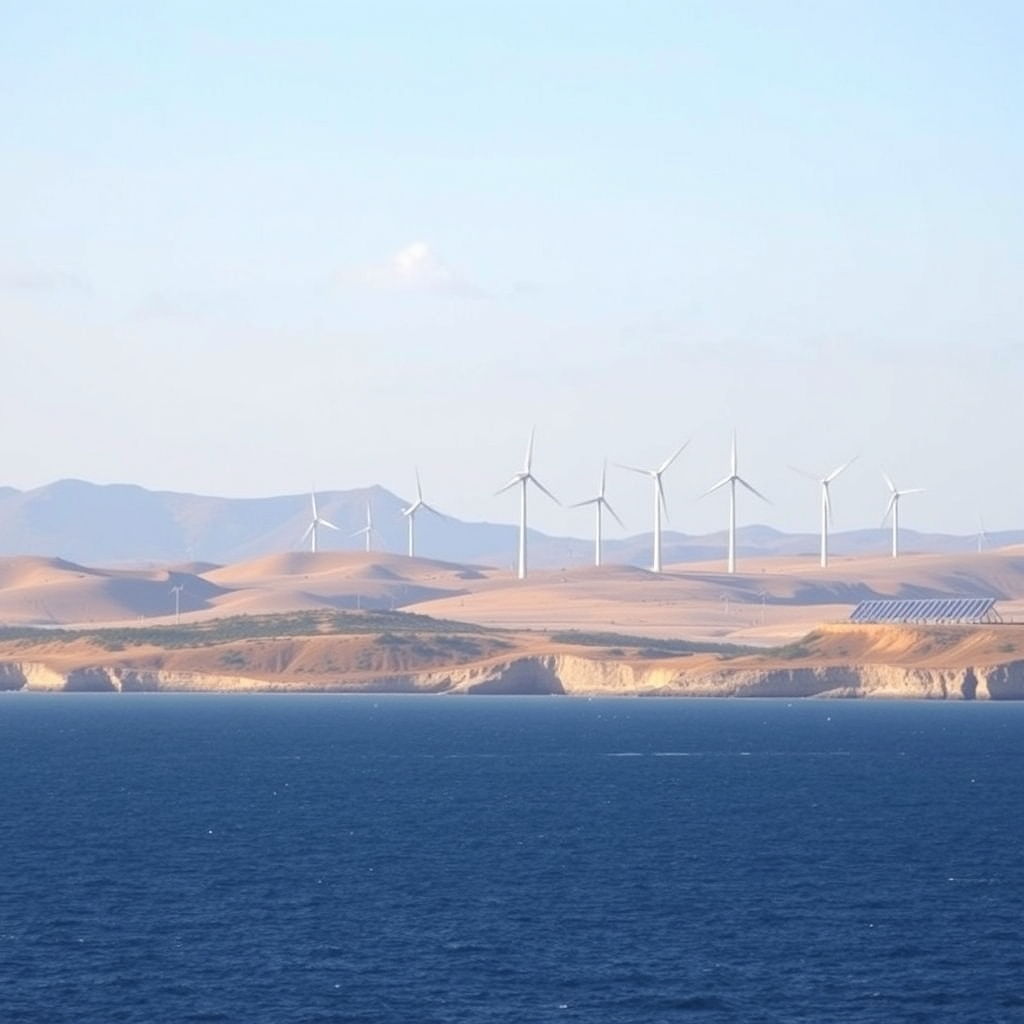
Rising sea levels and extreme weather events pose significant threats to coastal communities around the world. In response, researchers and engineers are developing innovative renewable energy solutions to support these vulnerable populations. One approach involves harnessing the power of ocean waves and tides to generate electricity. This technology has the potential to provide a reliable and constant source of energy for coastal communities.
Coastal communities are also embracing solar and wind power as a means of reducing their reliance on fossil fuels. For example, wind turbines can be installed offshore to take advantage of strong ocean breezes, while solar panels can be integrated into building designs to maximize energy generation. These renewable energy sources can help to reduce greenhouse gas emissions and mitigate the impacts of climate change.
Offshore Wind Farms
Offshore wind farms are becoming an increasingly important component of renewable energy portfolios. These installations involve constructing large wind turbines in the ocean, where they can take advantage of strong and consistent winds. Offshore wind farms have the potential to generate significant amounts of electricity, making them an attractive option for powering coastal communities. As the technology continues to evolve, we may see a surge in offshore wind farms, similar to the go nuclear initiative, which aims to promote the adoption of nuclear power as a low-carbon energy source.
In addition to generating electricity, offshore wind farms can also provide a range of economic benefits for coastal communities. For example, the construction and maintenance of these installations can create new job opportunities and stimulate local economies. Furthermore, the revenue generated from offshore wind farms can be used to support community development projects and promote sustainable economic growth.
Tidal And Wave Energy
Tidal and wave energy are two emerging forms of renewable energy that have the potential to support coastal communities. Tidal energy involves harnessing the power of ocean tides to generate electricity, while wave energy involves capturing the energy contained in ocean waves. Both of these technologies are still in the early stages of development, but they offer significant promise for providing reliable and constant sources of renewable energy.
One of the key advantages of tidal and wave energy is their predictability. Unlike solar and wind power, which are intermittent energy sources, tidal and wave energy can be predicted with a high degree of accuracy. This makes them ideal for powering coastal communities, where a reliable source of energy is essential for supporting daily life. As researchers continue to explore the potential of tidal and wave energy, we may see a surge why arm in investment in these technologies, driving innovation and growth in the renewable energy sector.
Community Engagement And Education
Community engagement and education are critical components of successful renewable energy projects. Coastal communities must be involved in the planning and decision-making process to ensure that their needs and concerns are addressed. This can involve providing education and training programs to help community members understand the benefits and challenges of renewable energy technologies.
By engaging with coastal communities and providing them with the knowledge and skills they need to adopt renewable energy technologies, we can help to promote sustainable economic growth and reduce the impacts of climate change. This approach can also help to support the development of ionq stock and other renewable energy technologies, driving innovation and growth in the sector. As the world continues to transition towards a low-carbon economy, the importance of community engagement and education will only continue to grow.
In conclusion, renewable energy solutions offer a range of benefits for coastal communities, from reducing greenhouse gas emissions to promoting sustainable economic growth. As the technology continues to evolve, we can expect to see a growing adoption of renewable energy sources, such as offshore wind farms, tidal and wave energy, and solar power. By supporting the development of these technologies and engaging with coastal communities, we can help to create a more sustainable and resilient future for all.
The future of renewable energy is exciting and full of possibilities. As we continue to explore new technologies and innovations, we may uncover new opportunities for growth and development, such as the nuovo orizzonte initiative, which aims to promote the adoption of renewable energy sources in Italy. By working together and supporting the development of renewable energy technologies, we can create a brighter, more sustainable future for generations to come.
As the world becomes increasingly interconnected, the importance of renewable energy will only continue to grow. By investing in renewable energy technologies and promoting sustainable economic growth, we can help to reduce the impacts of climate change and create a more resilient future for all. Whether it's through the development of offshore wind farms, tidal and wave energy, or solar power, the potential for renewable energy to support coastal communities is vast and exciting.