Gloria Jamison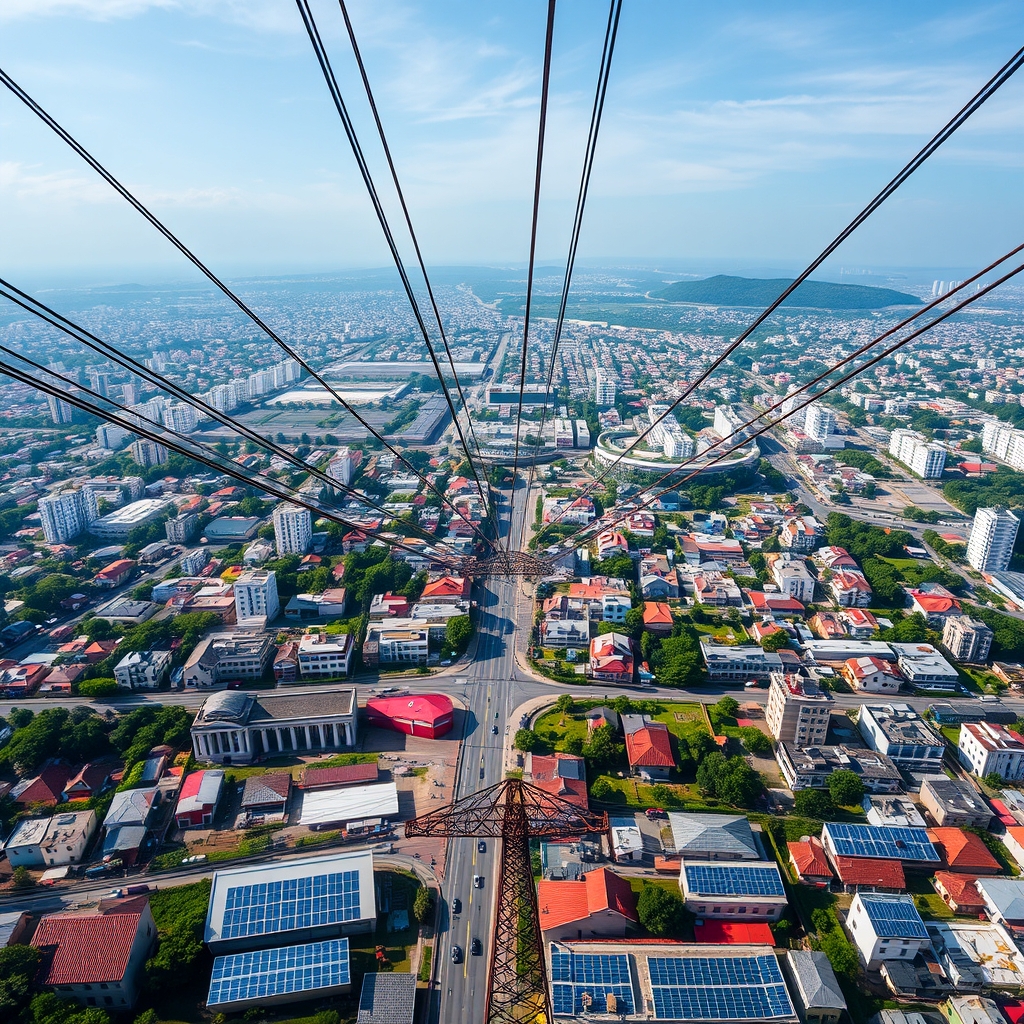
Energy efficiency has become a crucial aspect of modern life, with the increasing demand for power and the need to reduce carbon emissions. One way to achieve this is through the implementation of smart grids, which optimize energy consumption and distribution. Smart grids use advanced technologies such as IoT sensors, big data analytics, and artificial intelligence to manage energy distribution and consumption in real-time.
The concept of smart grids is not new, but it has gained significant attention in recent years due to its potential to revolutionize the way we consume energy. By using smart grids, utilities can optimize energy distribution, reduce power outages, and improve the overall efficiency of the grid. This, in turn, can lead to significant cost savings and a reduction in carbon emissions.
How Smart Grids Work
Smart grids work by using advanced sensors and meters to collect data on energy consumption and distribution. This data is then analyzed using big data analytics and artificial intelligence to identify areas of inefficiency and optimize energy distribution. For example, smart grids can detect power outages and automatically reroute energy to minimize the impact on consumers. They can also optimize energy consumption by identifying periods of high demand and adjusting energy distribution accordingly.
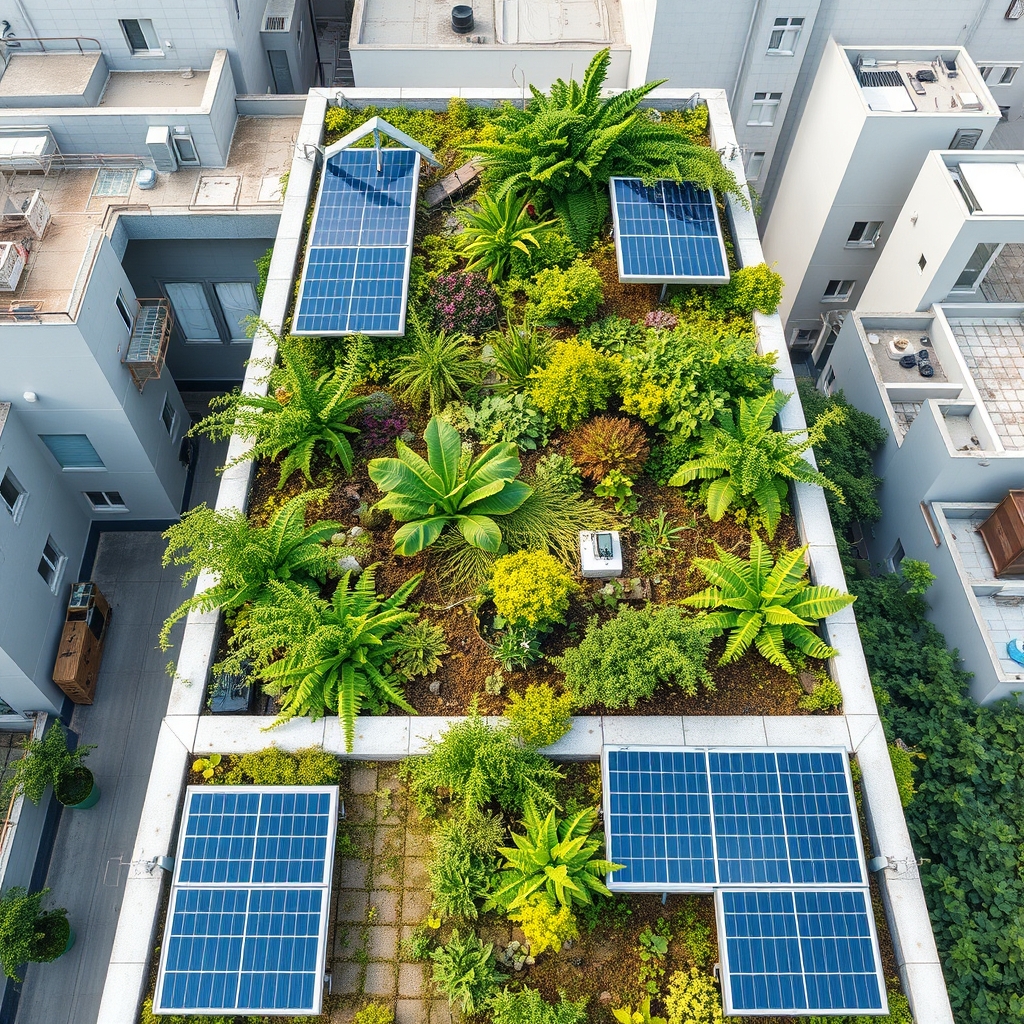
In addition to optimizing energy consumption and distribution, smart grids can also enable the integration of renewable energy sources such as solar and wind power. This is because smart grids can manage the variable output of renewable energy sources and ensure a stable and reliable energy supply. As the world shifts towards a more sustainable future, the integration of renewable energy sources into the grid will become increasingly important.
Benefits of Smart Grids
The benefits of smart grids are numerous and well-documented. They can improve energy efficiency, reduce power outages, and enable the integration of renewable energy sources. Smart grids can also provide consumers with more control over their energy consumption, allowing them to make informed decisions about their energy use. This can lead to significant cost savings and a reduction in carbon emissions.
Furthermore, smart grids can also improve the overall resilience of the grid, making it more resistant to cyber attacks and physical disruptions. This is because smart grids use advanced technologies such as encryption and secure communication protocols to protect the grid from cyber threats. They can also use advanced sensors and meters to detect physical disruptions and automatically respond to minimize the impact on consumers.
Challenges and Opportunities
Despite the many benefits of smart grids, there are also challenges and opportunities that need to be addressed. One of the main challenges is the high upfront cost of implementing smart grid technologies. This can be a barrier to adoption, particularly for smaller utilities or developing countries. However, the long-term benefits of smart grids can far outweigh the costs, making them a worthwhile investment.
Another challenge is the need for standardization and interoperability between different smart grid systems. This can be a complex issue, as different utilities and countries may have different standards and protocols for smart grid communication. However, efforts are being made to develop common standards and protocols, which can help to facilitate the widespread adoption of smart grids.
In terms of opportunities, smart grids can enable a range of new services and applications, such as energy storage and electric vehicle charging. They can also provide a platform for innovation, allowing developers to create new apps and services that take advantage of smart grid capabilities. As the energy shift what is happening, smart grids can play a crucial role in enabling a more sustainable and efficient energy system.
In conclusion, smart grids have the potential to revolutionize the way we consume energy, making it more efficient, sustainable, and resilient. By optimizing energy consumption and distribution, smart grids can reduce carbon emissions, improve energy efficiency, and enable the integration of renewable energy sources. As the world continues to evolve and grow, the importance of smart grids will only continue to increase, making them a crucial component of a sustainable energy future.
The concept of power reinvents is also relevant in this context, as smart grids can help to reinvent the way we think about energy consumption and distribution. By providing more control and flexibility, smart grids can enable consumers to make informed decisions about their energy use, leading to a more sustainable and efficient energy system. As we look to the future, it is clear that smart grids will play a vital role in shaping the energy landscape, and their potential to optimize energy consumption and distribution will be crucial in achieving a more sustainable future.