Gloria Jamison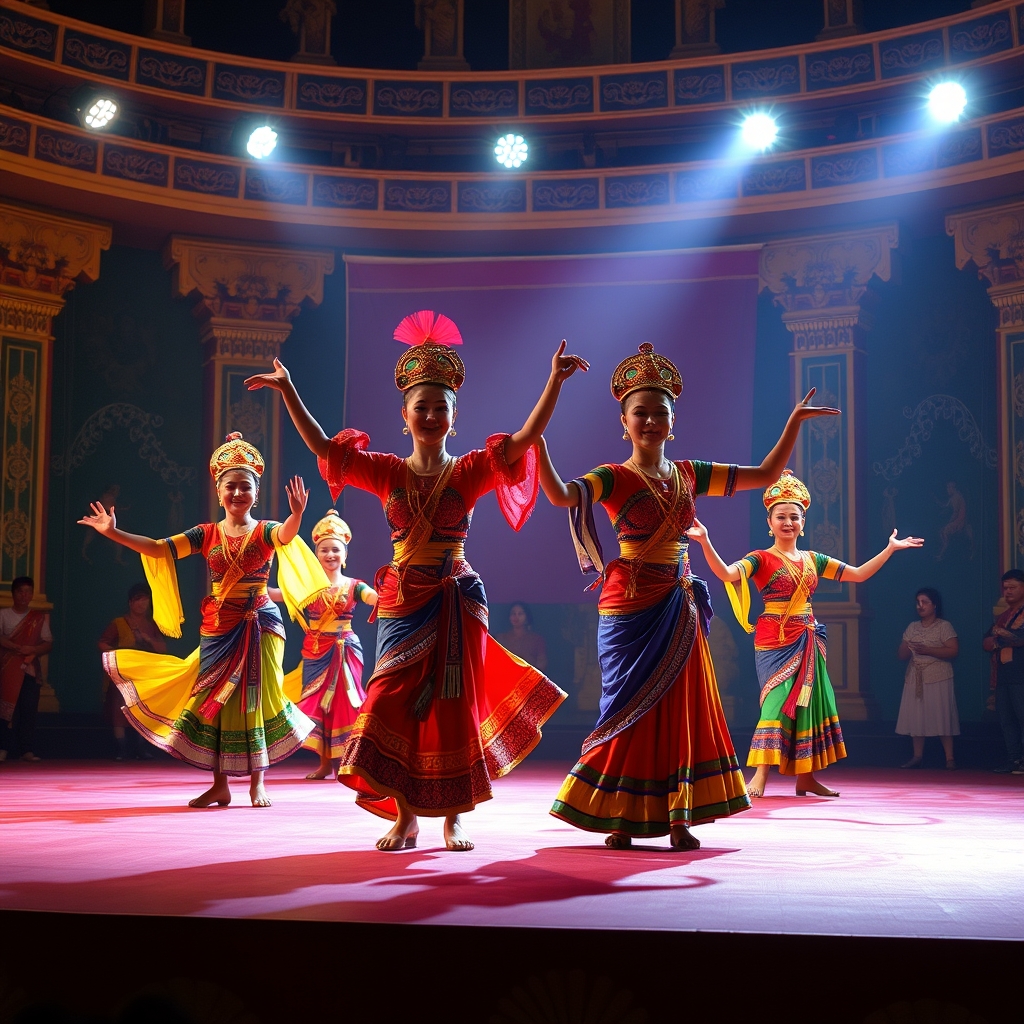
Traditional dance is an integral part of many cultures around the world, providing a unique window into the history, values, and customs of a community. From the elegant ballet of Europe to the dynamic hip-hop of the Americas, traditional dance is a powerful expression of cultural identity. In many societies, traditional dance is not just a form of entertainment, but also a way to tell stories, pass down traditions, and bring people together.
Cultural diversity is a hallmark of traditional dance, with different regions and communities developing their own distinct styles and techniques. For example, the traditional dance of Japan, known as Kabuki, is characterized by its dramatic makeup, elaborate costumes, and precise movements. In contrast, the traditional dance of Africa, such as the Gumboot dance of South Africa, is known for its energetic rhythms and dynamic movements.
History of Traditional Dance
The history of traditional dance is a long and complex one, with roots dating back thousands of years. In many cultures, traditional dance was an important part of spiritual and religious rituals, used to communicate with the gods and honor the ancestors. Over time, traditional dance evolved to incorporate new influences and styles, resulting in the diverse range of traditions we see today.
Despite its rich cultural significance, traditional dance is facing challenges in the modern era. The rise of urbanization and globalization has led to the decline of traditional dance in many communities, as young people increasingly turn to modern forms of entertainment. However, there are still many efforts underway to preserve and promote traditional dance, such as the UNESCO Intangible Cultural Heritage program, which recognizes and protects traditional dance as an important part of human cultural heritage.
Types of Traditional Dance
There are many different types of traditional dance, each with its own unique characteristics and styles. Some examples include the ballet of Europe, the Kathakali of India, and the Capoeira of Brazil. Each of these traditions has its own distinct history, techniques, and cultural significance, reflecting the diversity and richness of human cultural expression.
In addition to its cultural significance, traditional dance also has many practical benefits. It can be a great way to improve physical fitness, coordination, and balance, as well as providing a fun and engaging way to learn about different cultures and traditions. Many schools and community centers are now offering traditional dance classes, providing an opportunity for people of all ages to learn and appreciate these vibrant cultural traditions.
Preservation and Promotion of Traditional Dance
Efforts to preserve and promote traditional dance are essential to ensuring the continued vitality and relevance of these cultural traditions. This can involve documenting and recording traditional dance performances, as well as providing support and resources for traditional dance companies and communities. It also requires raising awareness and appreciation of traditional dance among the general public, highlighting its cultural significance and importance as a part of our shared human heritage.
As we move forward in an increasingly globalized and interconnected world, it is more important than ever to preserve and promote our cultural diversity, including the rich and vibrant traditions of traditional dance. By supporting and celebrating these traditions, we can help to ensure their continued survival and relevance, providing a powerful reminder of the importance of cultural diversity and exchange in our modern world.
In conclusion, traditional dance is a powerful expression of cultural identity and diversity, providing a unique window into the history, values, and customs of communities around the world. By preserving and promoting these traditions, we can help to ensure their continued vitality and relevance, enriching our lives and broadening our understanding of the world's rich cultural heritage.
As the world becomes increasingly interconnected, it is essential to recognize and appreciate the importance of cultural diversity, including the traditional dance of different communities. This can involve learning about and appreciating the different styles and techniques of traditional dance, as well as supporting and promoting these traditions through education, documentation, and performance.