Gloria Jamison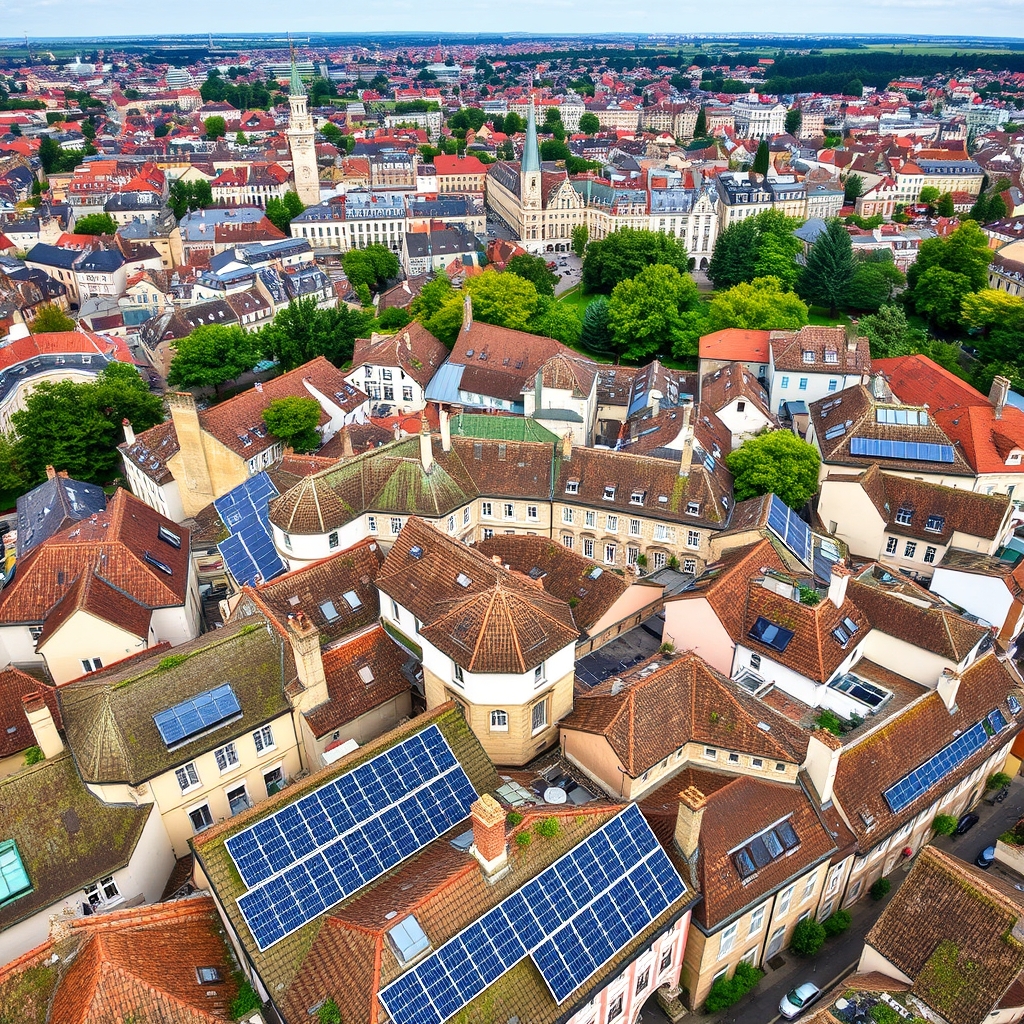
As the world continues to grapple with the challenges of climate change, many European cities are taking the lead in investing in green infrastructure. From green roofs to solar panels, these cities are finding innovative ways to reduce their carbon footprint and create sustainable environments for their citizens.
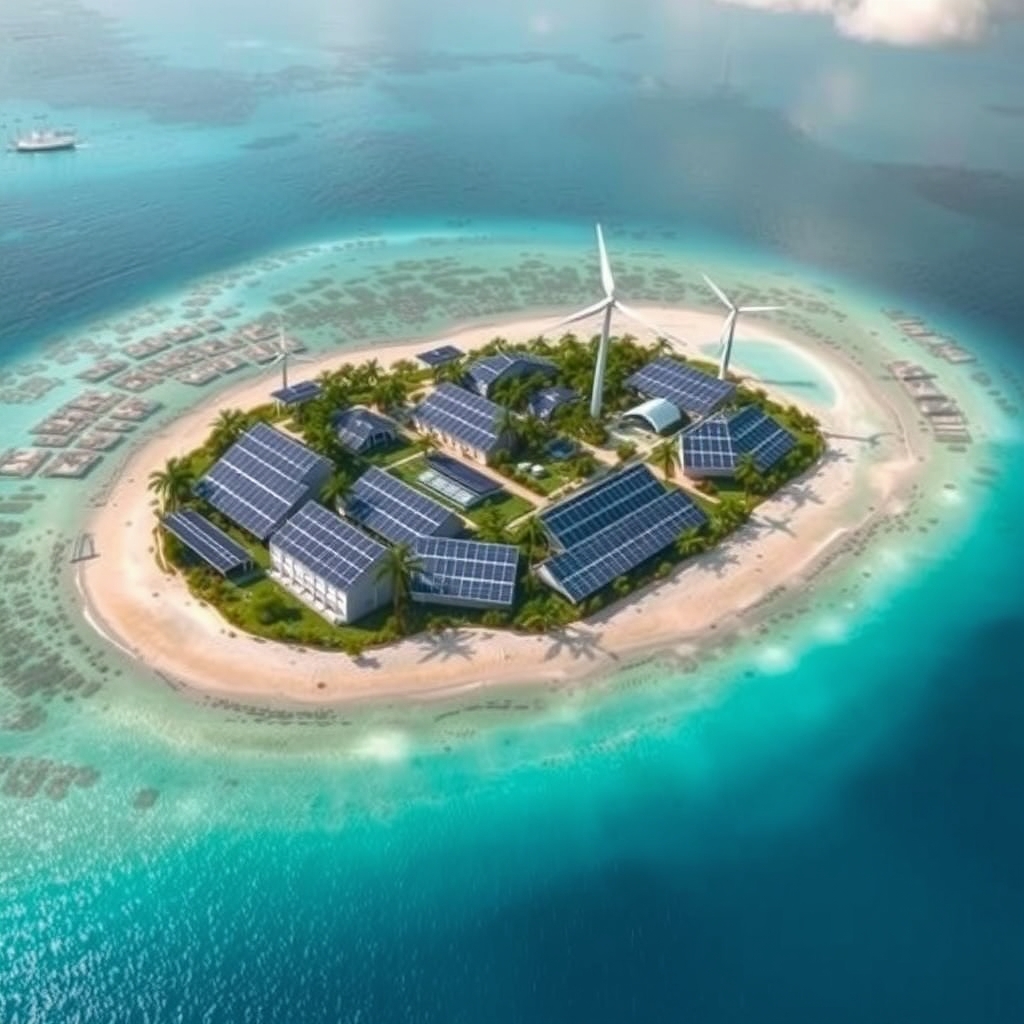
One of the key areas of focus for these cities is renewable energy. By investing in solar and wind power, they are able to reduce their reliance on fossil fuels and lower their greenhouse gas emissions. This not only helps to combat climate change but also improves air quality and public health.
Green Roofs and Walls
Another important aspect of green infrastructure is the use of green roofs and walls. These can help to insulate buildings, reduce energy consumption, and create habitats for wildlife. Many European cities are incorporating green roofs and walls into their building designs, with some even offering incentives for developers to include these features.
In addition to the environmental benefits, green roofs and walls can also have a positive impact on mental health and wellbeing. Studies have shown that access to green spaces can reduce stress and improve mood, making them a valuable asset for urban residents.
Sustainable Transportation
European cities are also investing in sustainable transportation systems, including electric and hybrid buses, trams, and trains. These vehicles produce zero or low emissions, reducing air pollution and greenhouse gas emissions. Many cities are also promoting cycling and walking, with dedicated bike lanes and pedestrianized zones.
By making sustainable transportation options more accessible and convenient, these cities are encouraging residents to leave their cars behind and opt for cleaner, healthier modes of transport. This not only reduces emissions but also improves traffic flow and reduces congestion.
Energy Efficiency
Energy efficiency is another key area of focus for European cities. By retrofitting buildings with energy-efficient technologies, such as LED lighting and insulation, they are able to reduce energy consumption and lower emissions. Many cities are also implementing smart grid systems, which can help to optimize energy distribution and reduce waste.
In addition to these measures, some European cities are also exploring innovative new technologies, such as district heating and cooling systems. These systems use waste heat from power plants and industrial processes to provide heating and cooling to buildings, reducing the need for fossil fuels and lowering emissions.
Overall, European cities are leading the way in green infrastructure, with a focus on renewable energy, sustainable transportation, and energy efficiency. By investing in these areas, they are creating sustainable, healthy, and thriving environments for their citizens, and providing a model for other cities around the world to follow.
As the world continues to urbanize, the importance of green infrastructure will only continue to grow. By prioritizing sustainability and investing in green technologies, cities can reduce their environmental impact, improve public health, and create better quality of life for their residents.
European cities are proving that it is possible to balance economic growth with environmental sustainability, and their experiences can provide valuable lessons for other cities around the world. By working together and sharing knowledge and best practices, we can create a more sustainable future for all.
In conclusion, European cities are at the forefront of the green infrastructure movement, and their efforts are paying off. With continued investment and innovation, they will remain leaders in the field, and their examples will inspire other cities to follow in their footsteps.
The future of green infrastructure is bright, and European cities are shining examples of what can be achieved with determination, creativity, and a commitment to sustainability. As we look to the future, it is clear that green infrastructure will play an increasingly important role in shaping the health, wellbeing, and prosperity of urban residents around the world.